Tucked within the heart of Tanzania, Ruaha National Park is one of the wonderful wilderness game viewing places in East Africa. Visitors interested in undertaking safaris in less crowded and authentic wilderness area have to visit the stunning Ruaha National Park. Unsurpassed wildlife viewing, birding tours, walking safaris and hot air balloon safari experiences like no other.
Location of Ruaha National Park.
Ruaha National Park is found at the heart of Tanzania and lies within the southern circuit. It is also approximately 130 kilometers (81 miles) west of Iringa City. This park is also set to the west of Selous Game Reserve and south of the popular Serengeti National Park.
Size.
Ruaha National Park’s borders were extended to include the Usangu Game Reserve and other adjacent important wetlands in 2008 to cover a total area of over 20,226 square kilometers (7,809 square miles). This makes Ruaha the largest national park in country.
This park together with the adjacent Muhesi, Rungwa and Kizigo Game Reserves as well as Mbomipa Wildlife Management Area form part of the massive 45,000 square kilometer Rungwa-Kizigo-Muhesi ecosystem. Even with its massive size, Ruaha National Park is one of the least busy Safari destinations in Tanzania, thus making it remote and untouched.
History of Ruaha National Park.
This Park was named after the Mighty Ruaha River that drains along its south-eastern border and serves as the lifeline of animals and birdlife of the Park. The name “Ruaha” was derived from a Hehe word meaning “River”. Ruaha National Park was first established as “Saba Game Reserve” in 1910 by the Germans.
Its name was later changed to Rungwa Game Reserve in 1946 by the British colonial Authorities. Part of it (the southern end) was made a national park in 1964 and is currently managed by the Tanzania National Park’s Authority.
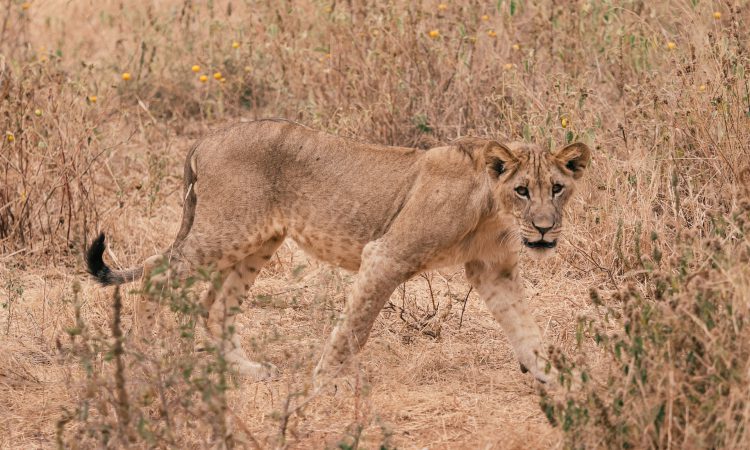
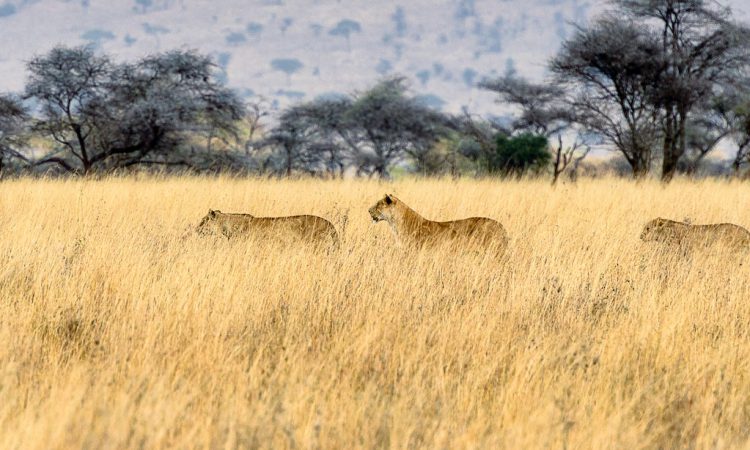
Ruaha National Park was declared a Lion Conservation Unit since 2005.
Climate of Ruaha National Park
Ruaha National Park is generally hot and dry with bimodal patterns of rains. The long rainy season begins from March to May while the short one is between November and December. Average rainfall is between 500 and 800 millimeters per year with annual temperature of 28˚C. The Park’ dry months are January, February, June, July, August, September, October and late December when temperatures reach 35˚C.
Things to see within Ruaha National Park
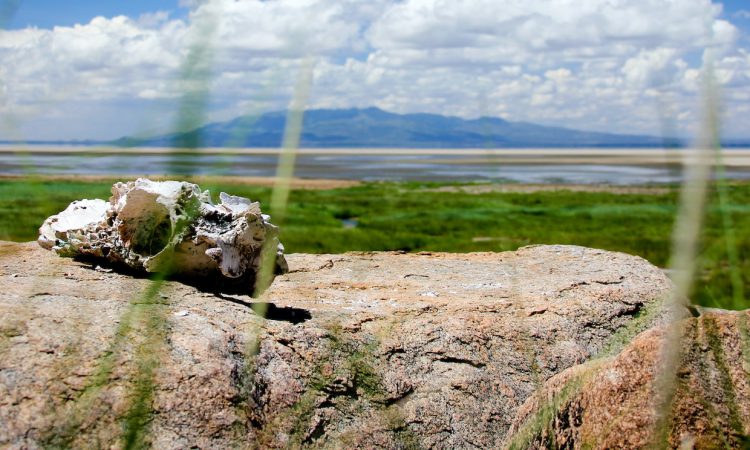
Ruaha National Park is popular for its magical scenery that includes verdant rolling hills, sweeping open plains, groves of skeletal baobabs, the Great Ruaha River along the southern margin.
Animals
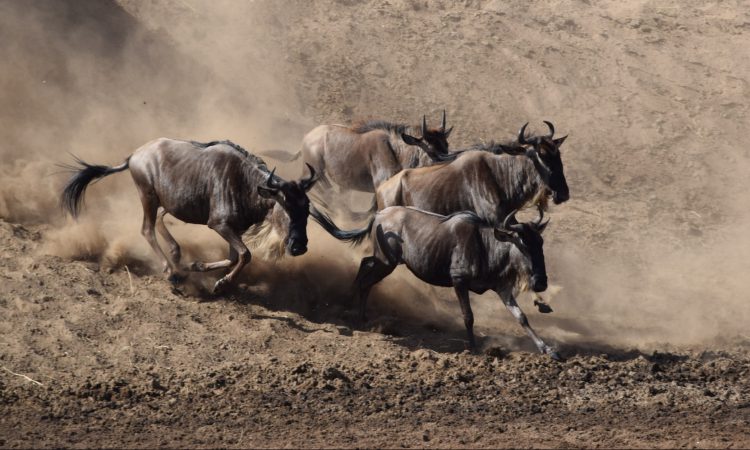
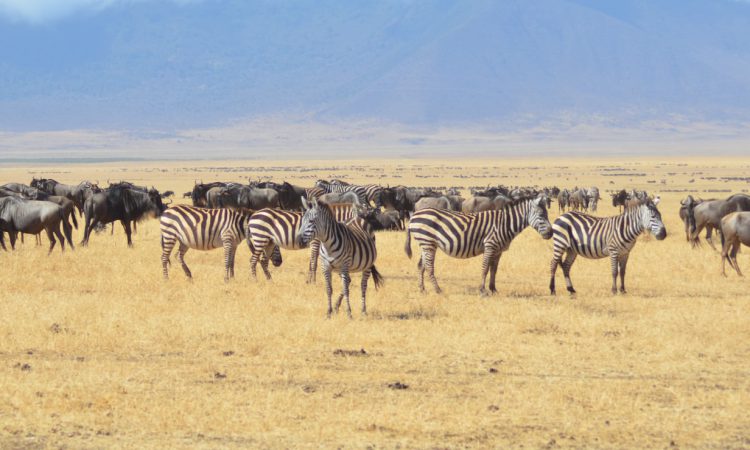
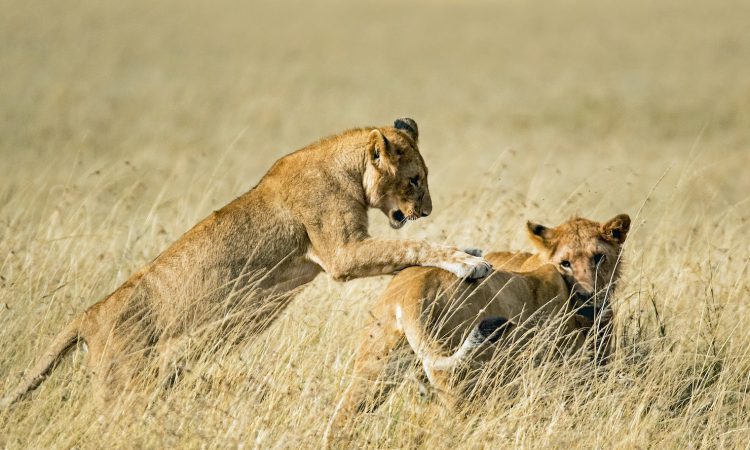
Animals are unmissable within Ruaha National Park and some of the must-see include lions (10% of the World’s Lion population), spotted hyenas, black-backed jackals, common elands, Lichtenstein’s hartebeests, East African cheetahs, zebras, Roan antelopes, bushbucks, Hippopotamus, African leopards, the black-backed jackals, Sable antelopes, Striped hyenas, bat-eared foxes, the endangered African wild dogs, cheetahs, Masai giraffes, greater and lesser kudu, African buffaloes and elephants that gather around the dry riverbeds to dig for water with their trunks and front feet. Thomson’s gazelles, Defassa waterbucks and impalas visit the River banks to drink water and predators are always seen following slowly behind. You will see cheetahs lying patiently in the plains while the leopards are stealthily walking in the tall grasslands. Reptiles such as Agama lizards, monitor lizards, crocodiles, poisonous and non-poisonous snakes are found in Ruaha National Park.
Birds
Over 570 species of birds call the massive Ruaha National Park home and they include the superb starlings, the Ruaha red-billed hornbills, Spur-winged goose, the red-billed Oxpeckers, Giant kingfishers, Namaqua doves, snake eagles, Violet-crested Turaco, Pel’s fishing owls, Golden-breasted bunting, Red-necked spurfowl, Bateleur, sunbirds, the collared palm-thrush, Ashy starlings, Crested barbets, Ostriches, African hawks, Sooty falcon, white-bellied go-away bird, crested barbets, Martial eagles, Cattle egrets, Racket-tailed rollers, Southern ground hornbills, Black-bellied bustard, Giant kingfishers, Green wood hoopoes, southern ground hornbills, Long-crested eagles, Long-crested eagles, Goliath herons, Dickinson’s kestrel, Yellow-collared lovebird, Pale-billed hornbills, the Emerald-spotted wood doves, the black-bellied bustard, African fish eagles, Eleonora’s falcon and many others. Some of these birds are residents of Ruaha National Park, others Eurasian migrants
Things to do within Ruaha National Park
Game viewing
Game viewing is the main adventure activity within Ruaha National Park, with rich wildlife diversity, spectacular sceneries from stunning landscapes, the mighty Ruaha River and several bird species at the comfort of your safari vehicle. While on this game drive, you will encounter predators such as leopards in the woodlands, lions on the River banks and cheetahs relaxing within the open plains. These are accompanied by large herds of Defassa waterbucks, common elands, Sable antelopes, Roan antelopes and many others.
Birding Tours
For enthusiastic birders, a good pair of binoculars, camera, footwear and birding guide will make your birding adventure interesting as you come across some of the 570 bird species. The Red-necked spurfowl, Bateleur, sunbirds, the collared palm-thrush, Ashy starlings, Crested barbets, Ostriches, African hawks, Sooty falcon, white-bellied go-away bird, crested barbets, Martial eagles, Cattle egrets, Racket-tailed rollers, Southern ground hornbills, Black-bellied bustard and many others are some of the species you must look-out for within Ruaha National Park.
Hot air balloon safaris
The spectacular and varied landscape of Ruaha National Park is characterized by open savannah plains, lush rolling hills, woodlands, Rivers Ruaha and Mwagusi that can be best viewed/or explored during hot air balloon safaris. These safaris offer views of unfolding landscapes below your floating balloon as well as animals roaming freely across these landscapes.
Walking safaris
Walking safaris bring you up-close to the Nature, wildlife and birds with their habitats in Ruaha National Park. These safaris are conducted through the verdant open plains as you appreciate the intimate details while in the company of a Park guide.
Best Time to Visit Ruaha National Park
Anytime of the year is wonderful to visit Ruaha National Park but the perfect time for wildlife viewing is the dry season-January, February, June, July, August, September, October and early December. During these months, vegetation is shorter and thinner in addition to animals gathering around existing water sources. This makes wildlife viewing easier and most spectacular, since game movements are easier and predictable. This year-round destination is also preferred by birders who throng it during the rainy season-March to May and October to November to see the migratory birds. These months are also the lushest with wildflowers beautifying the lush grasslands hence perfect for landscape photographers to explore the Park.
During the dry season, travellers should expect to see golden-brown savannah studded with baobabs as well as misty hills extending along the Horizon. With the annual rains, the savannah grasslands become luxuriant/or verdant as the baobabs bloom.
Spectacular Accommodation facilities within Ruaha National Park
There a number of beautiful places to stay while exploring the beauty and richness of Ruaha National Park. These facilities range from budget, midrange to upmarket in form of Tented Camps, Safari Lodges, Campsites, Bandas and Hotels. They include;
Ruaha River Lodge
Ruaha River Lodge incredibly overlooks River Ruaha and features 24 spacious stone and thatch Bandas along the banks of the River. Visitors here enjoy seclusion with enough sitting area, twin/double/triple beds, writing desk, stone floors, large and open en-suite bathroom at the back of each Banda. There are also two lounge and dining areas, a vast open-sided thatched building with well-furnished red floors with cozy couches and many other facilities.
Jabali Ridge
Jabali Ridge is a small and stylish stupendous Lodge featuring 8 suites set high on a Rocky Kopje, overlooking the Ikuka Escarpment, Mwagusi River and a spectacular landscape with baobabs and palm trees.
Jongomero Camp
Jongomero Camp is a classic stupendous Tented Camp along the blossoming banks of the Jongomero Sand River. It features 8 spacious thatched Tented nestled on the raised wooden platforms to reflect the intimacy of East African safaris. Each of these Tents has en-suite bathroom with private veranda. Other facilities here are sparkling swimming pool, convivial bar with all kinds of drinks, dining area, Campfire cooking and picnics and be guaranteed of relishing delicious meals.
Mwagusi Safari Camp
Run by Chris Fox, Mwagusi Safari Camp is a beautiful Camp set within the remote wilderness of Ruaha National Park and takes pride in offering authentic wilderness Camping experience. Its rustic luxury gives visitors a feeling of Tanzanian relaxation. The food here is delicious and the views of the Park while here are indescribable.
Others include the Ikuka Safari Camp, Sunset Mountain Lodge, Chogela Camp, Mdonya Old River Camp, Kigelia, Kwihala Camp, Kichaka Camp, Ruaha River Campsite, Chogela Tented Camp, Tandala Tented Camp, Ruaha Hilltop Lodge and many others.
How to reach Ruaha National Park
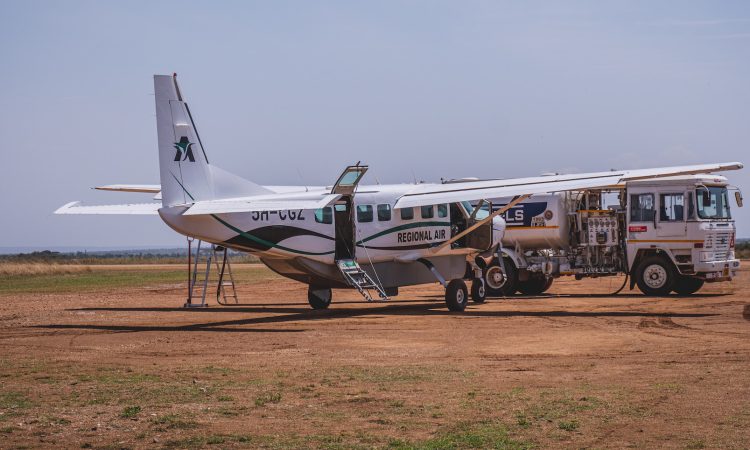
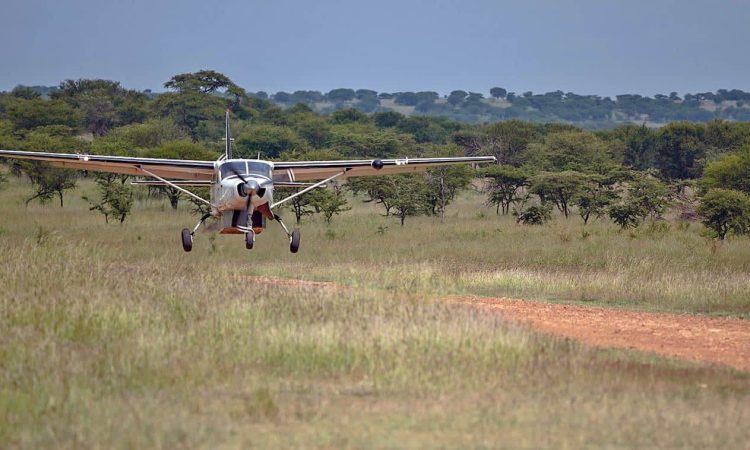
The National Park of Ruaha is about 130 kilometers from Iringa City and about 625 kilometers from Dar es Salaam City. It can definitely be reached by air or road. Two airstrips-Msembe airstrip within the Park Headquarters and Jongomeru Airstrip adjacent to the Jongomeru Ranger post service this Park.
Ruaha National Park can also be accessed by car on a dirt road from Iringa Town. Visitors from Dar es Salaam, Arusha, Kigoma and Dodoma can also get to Ruaha National Park.