Ngorongoro Conservation Area is located in the crater highlands of Tanzania. It covers an area of 8,292 square kilometers and is part of the greater Serengeti ecosystem, bordering Serengeti National Park to the northwest. The main places of interest in the area are Ngorongoro Crater, the Northern Plains, the Eastern Highlands, and the Southern Highlands.
The protected area is named after Ngorongoro Crater, which lies within it. The name Ngorongoro comes from a local Maasai word that imitates the sound of a cowbell (ngoro ngoro).
Ngorongoro Conservation Area is often called the eighth natural wonder of the world. The crater is the largest intact volcanic crater on earth. Its floor has forests, swamps, grasslands, and lakes like Lake Makat, a central soda lake where the Maasai mine salt.
The conservation area is one of Africa’s most famous wildlife destinations. It has one of the highest concentrations of animals on the continent. The Ngorongoro Crater covers 265 square kilometers and is about 600 meters deep. The crater floor includes several different habitats. You can visit Ngorongoro Conservation Area together with Serengeti National Park while in Tanzania.
History
In 2009, the Ngorongoro Wildlife Conservation Act set new rules that limited farming and settlement. This led to the displacement of Maasai pastoralists living in the area. The Maasai were moved to Ngorongoro after being displaced from Serengeti when the park was created in 1948.
The first European to visit Ngorongoro was Oscar Baumann in 1892. Two Germans farmed in the crater until World War I. They also organized hunting trips for their friends and tried to reduce the wildebeest population in the crater.
Hunting became so common that in 1921 a law was passed to allow hunting only with permits. Farming was banned around the crater rim in 1928. The Ngorongoro Conservation Area Authority was established in 1976.
UNESCO recognized the area as a World Heritage Site in 1979. Since restrictions began, there have been tensions between conservation officials and the Maasai pastoralists.
Fossils found at Olduvai Gorge show that hominids lived in the area over 3 million years ago. It is believed hunter-gatherers first lived here thousands of years ago. The Mbulu settled here 2,000 years ago. Later, the Datooga arrived around 1700 but were pushed out by Maasai warriors in the 1800s.
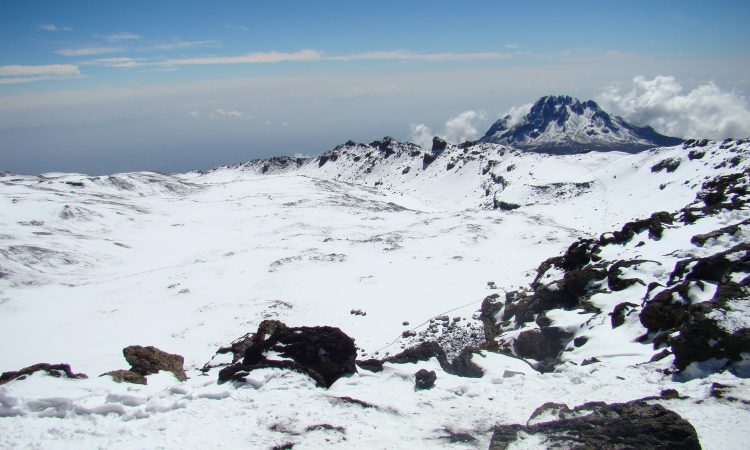
Ngorongoro was once a large active volcano, said to have been higher and bigger than Mount Kilimanjaro before it collapsed about 8 million years ago. The volcano’s cone erupted and left a caldera 600 meters deep, covering 265 square kilometers and 16 kilometers wide.
Entry Fees
For foreign non-resident adults, the entry fee to Ngorongoro Conservation Area is $72 per person per visit. Visitors traveling through Ngorongoro to Serengeti National Park from Arusha must pay a separate transit fee.
Foreign non-resident children pay $20. Those who want to descend into the crater pay $295 per vehicle, not per person. Entry fees can change, so it is good to check before your visit.
Animals
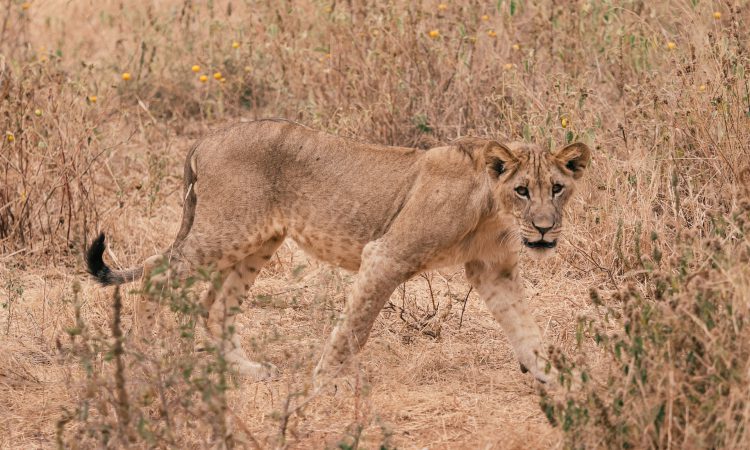
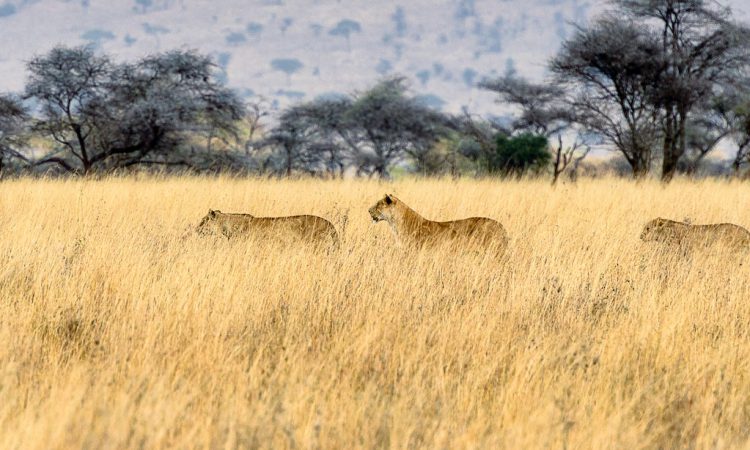
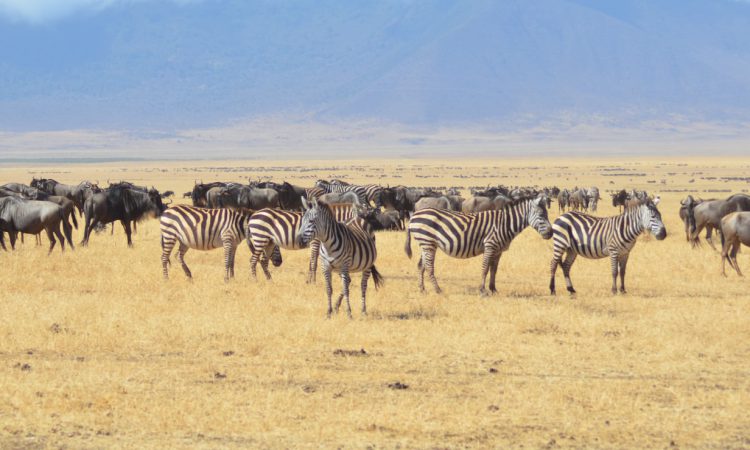
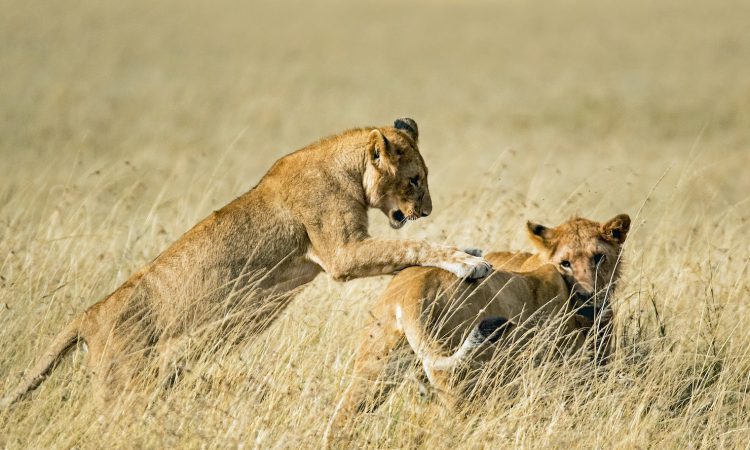
Ngorongoro Conservation Area has one of the highest animal densities in Africa. It is home to the Big Five and about 25,000 other hoofed animals.
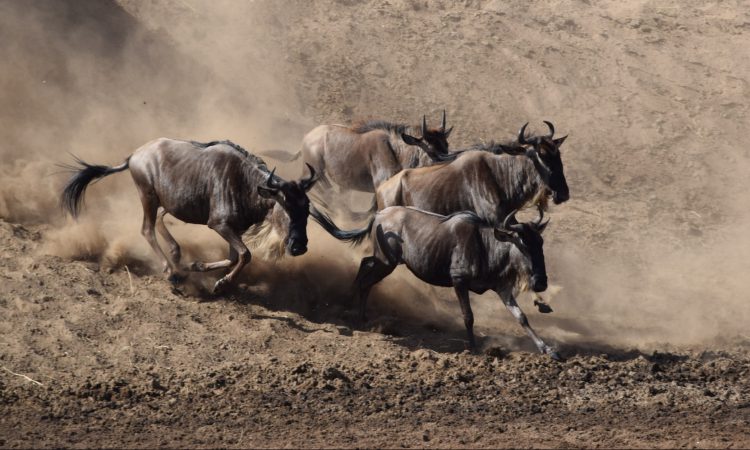
Some animals found here are elephants, lions, leopards, buffaloes, rhinos, wildebeests, elands, Grant’s zebras, Thomson’s gazelles, waterbucks, topis, impalas, African wild dogs, cheetahs, serval cats, jackals, spotted hyenas, hippos, warthogs, and many more. The best time to see animals is early morning or late afternoon.
Birding
The area is a birdwatcher’s paradise with over 500 bird species. Some of these include Augur buzzard, open-billed stork, ostrich, secretary bird, superb starling, kori bustard, great white pelican, flamingos, Fischer’s lovebird, white-eyed slaty flycatcher, Livingstone’s turaco, African spoonbill, fan-tailed widowbird, eastern double-collared sunbird, Jackson’s widowbird, rosy-throated longclaw, rufous-tailed weaver, scarlet-chested sunbird, Namaqua dove, Schalow’s wheatear, Verreaux’s eagle, yellow wagtail, stonechat, and Hartlaub’s turaco.
Cultural Encounters
The traditional Maasai people have lived in Ngorongoro Conservation Area since they were moved from their ancestral lands in Serengeti National Park.
They live alongside wildlife, grazing their animals on the plains. The Maasai are well known across East Africa for their traditional dress and way of life.
Visitors can visit Maasai villages to learn about their culture, watch traditional dances, and support local people by buying handmade crafts as souvenirs.
Location
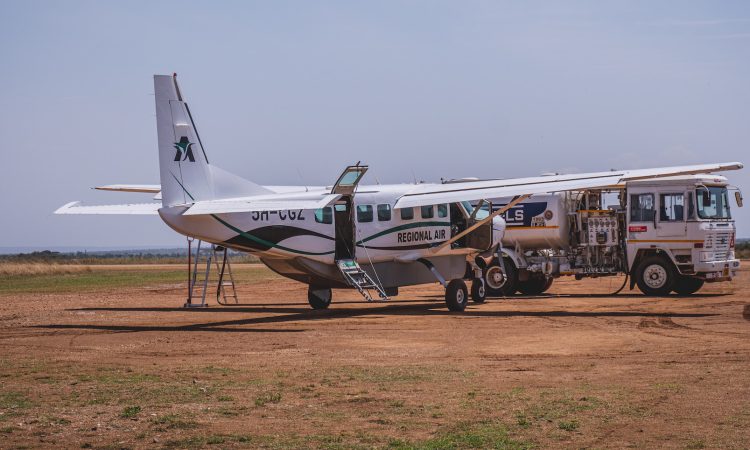
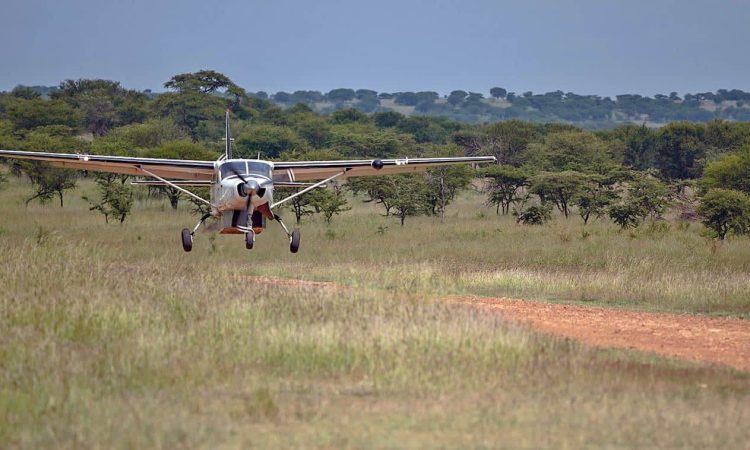
Ngorongoro Conservation Area is 180 kilometers from Arusha town in Tanzania, located in the crater highlands. You can reach the area by road or by domestic charter flights.
Best Time to Visit
Ngorongoro can be visited any time of year. The best time for general wildlife viewing is from June to September, during the dry season. The grass is short and animals gather near water points.
The best time for bird watching is from November to April when migratory birds arrive from Europe and North Africa.
Accommodation
There are many places to stay in and around Ngorongoro Conservation Area. Some of these include The Manor, Neptune Ngorongoro, Gibbs Farm, Oldeani Mountain Lodge, Acacia Farm Lodge, Bougainvillaea Lodge, Ngorongoro Farm House, Country Lodge, Eileen’s Trees Inn, Crater Rim View Inn, Lemala Ngorongoro, Crater Lodge, The Highlands, Serena Ngorongoro, Angata Ngorongoro, Sopa Ngorongoro, Ngorongoro Wildlife Lodge, Rhino Lodge, Samba Campsite, and many others.