Mount Kilimanjaro National Park (Kilimanjaro National Park) located in the Northeastern part of Tanzania is one of the most popular parks in Tanzania especially to mountain climbers and adventure lovers.
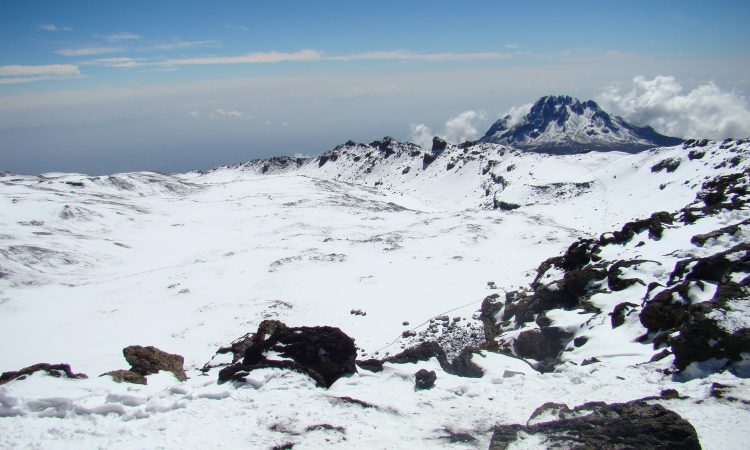
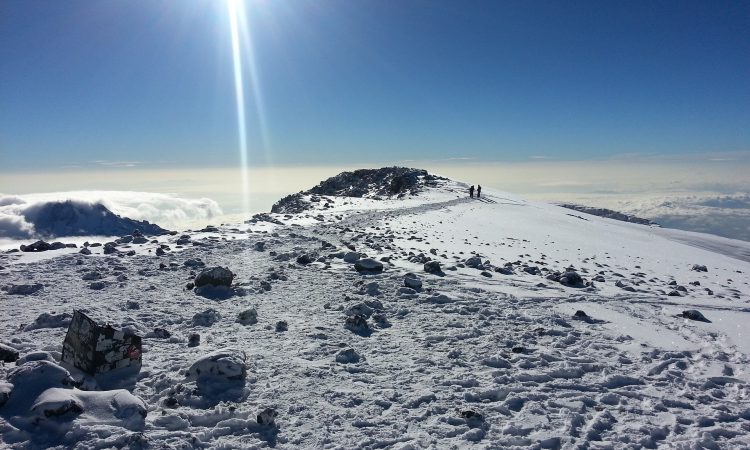
It is home to the tallest mountain in Africa and the tallest single free-standing mountain in the world, Mount Kilimanjaro standing at 5,895 meters towering high above its surroundings. In 1987, the park was designated a UNESCO World Heritage Site.
We offer amazing helicopter safaris to Mount Kilimanjaro.
Kilimanjaro National Park Travel Guide
Location and accessibility
The park is located just South of the Kenyan border in Northeastern Tanzania covering an area of 652 sq. miles (1,688 sq. km). It is situated North East of the beautiful Arusha National Park.
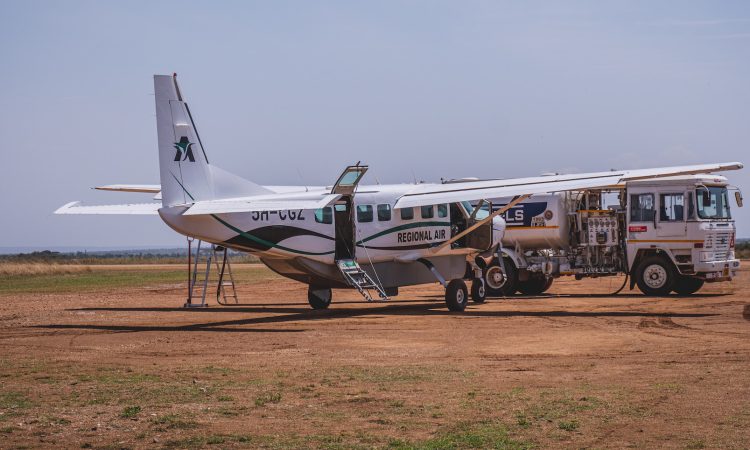
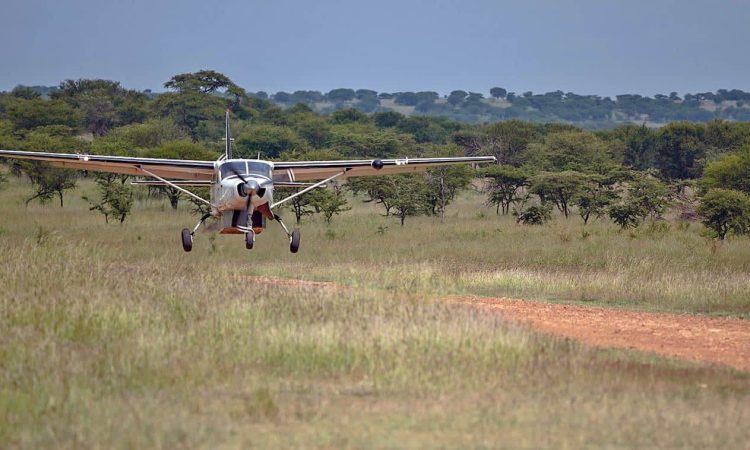
Kilimanjaro National Park can be only be accessed by road with the easiest option being flying into Kilimanjaro International airport and then drive from there to the park. One can also drive from Arusha town to Kilimanjaro national park via Moshi town which is located at the base of Mt. Kilimanjaro.
Mount Kilimanjaro
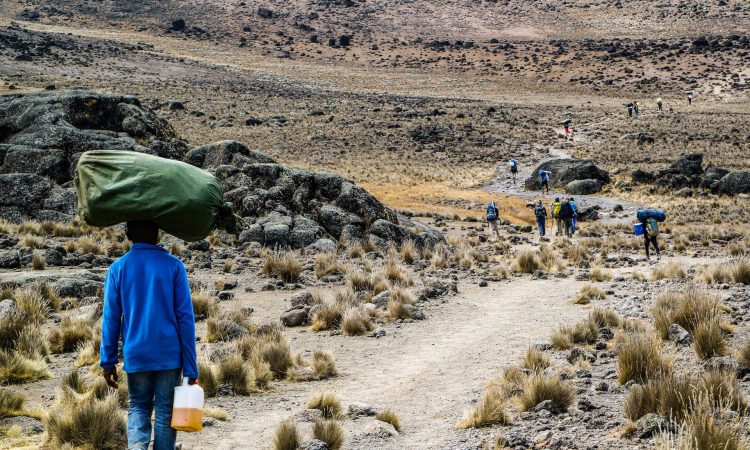
This highlight of Kilimanjaro national park, the main tourist attraction in the Kilimanjaro area. Standing at 5,895 meters at Uhuru peak, Mt. Kilimanjaro is the tallest mountain in Africa. It is one of the Seven summits is the world and the easiest to summit as it does not require technical mountain climbing gears. Anyone can summit the Kilimanjaro Mountain as long as they are physically and mentally prepared, but the climb can still be challenging.
Seven different routes lead to the summit, that is Marangu, Machame, Lemosho, Umbwe, Shira, Rongai and Northern circuit route and only 1 route descent route, Mweka Route.
Vegetation Zones
As you climb Mt. Kilimanjaro, you will go through different climatic and vegetation zones with increase in altitude. These zones include, the cultivation zone, rainforest, heather, moorland, alpine desert and the arctic zone at the summit.
Wildlife
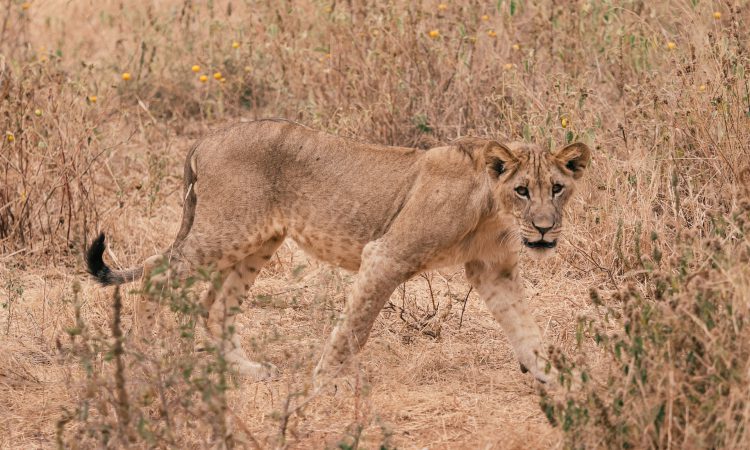
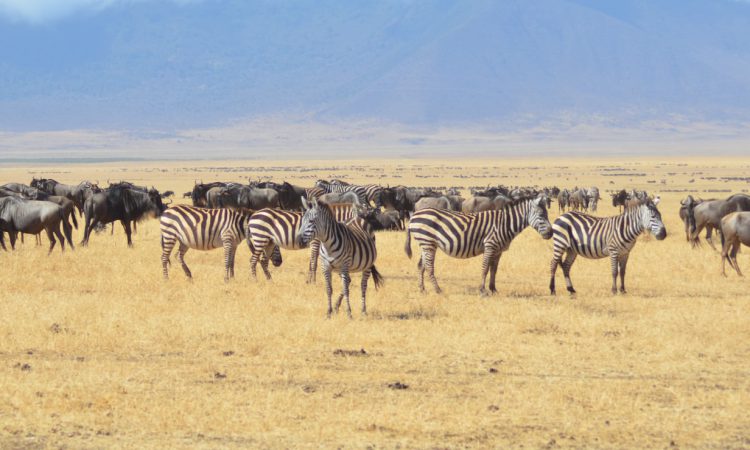
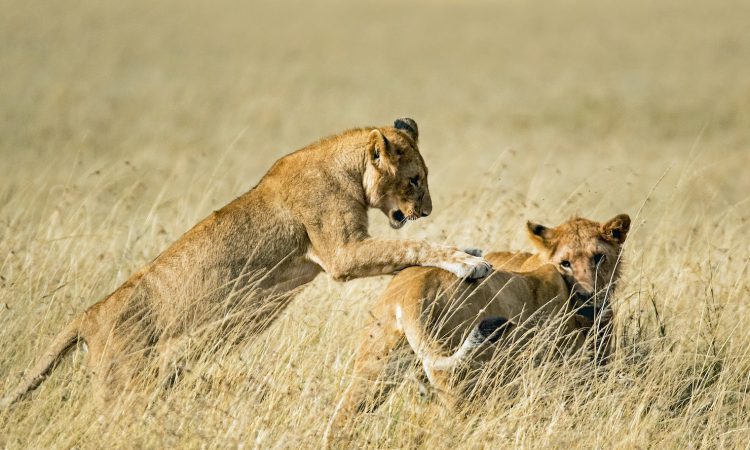
The different ecological zones and the unique ecosystem on Kilimanjaro national park support a number of animal life and birdlife which include; duikers, black and white colobus monkeys, klipspringers, blue monkeys, the 3 horned chameleon and birds like Abbot’s starling, turacos, pittas, kingfishers, hornbills and sunbirds. Some bigger mammals can also be spotted like the elephants, antelopes, hyenas, buffalos and giraffes on the Rongai side.
Cultural experience
The park lies within the cultivation lands of the Chagga people. Tourists can visit the villages of the Chagga people. Get to know about their cultural heritage, traditions. And cultural stories about the Mt. Kilimanjaro.
Accommodation
Tented camps; camping tents and meals provided by your tour operator
Dormitory style Hut accommodation; only available on the Marangu route
Activities in Mount Kilimanjaro National Park
Summiting Mt. Kilimanjaro (Uhuru peak)
Bird watching in the rainforests
Visiting the Shira plateau
Nature walks through the montane forests
Visit the Lauwo waterfalls, Chala crater lake, cultural villages and Mauidi crater
Cycling the Kilema trail
Best time to visit Kilimanjaro National Park
We recommend the dry and warmest time of the year. That is mid-June through to October and late December to March.