Located in the Arusha and Manyara regions of Tanzania, Lake Manyara national park covers an area of up to 325 square kilometers, 230 of these are covered by the lake. The park is under the administration of Tanzania National parks Authority.
Lake Manyara national park is rich in bio-diversity evidenced by over 350 bird species, plants and animals present and ready to be visited. It also presents to her visitors enormous attractions that range from a rift valley, Soda Lake to dense woodland forests and Steep Mountain slopes in addition to the mighty tree climbing lions and giant elephants.
Manyara shores are always thronged with beautiful migratory birds most of which are flamingos and have never left the lake alone. Other animals which dwell in areas around the lake include buffaloes, cheetahs, Masai giraffes and impalas.
The park is in the middle of other spectacular areas of attention like the 35,399 hectare Marang forest reserve (south), Kwa Kuchinja wildlife migration corridor (east) that facilitates animals’ easy migration from Tarangire national park to the south east and the reverse is true, Lake Manyara (west) and Engeruka basin (north).
Away from Kwa Kuchinja corridor village, there is also a 45,000 – acre former livestock ranch known as Manyara ranch under the management of Tanzania land conservation Trust which took over its ownership in 2010.
Lake Manyara national park forms part of both Lake Manyara Biosphere reserve and Manyara important bird area. Lake Manyara safari is a real life experience in the area.
Lake Manyara Biosphere reserve is a huge area that encompass both the park and the lake as well as other important forests and protected areas, in and out of the park, including Marang forest reserve in nearby highlands. These areas are all part of Lake Manyara Important Birding Areas.
A trip to Lake Manyara is a life time experience since it gives you an opportunity to watch hundreds of olive baboons, Sykes monkey, Egyptian mongoose, hippopotamuses, short-eared galago and cape clawless otter. Alongside these are features like ground water forest, Maji moto hot springs and acacia tortilis woodland
Brief background of Lake Manyara National Park.
Lake Manyara national park traces its origin from the year 1920 a time when it was used for sport hunting even before the establishment of a game reserve in 1957. The reserve gained a national park status in 1960 and this was accompanied by the addition of land worth 550 hectares to the southern end in 1974.
A big portion of the park’s land is narrow and runs between the Gregory rift wall westwards and lake Manyara eastwards.
TOURIST ACTIVITIES IN LAKE MANYARA NATIONAL PARK.
A number of activities happen in Lake Manyara national park throughout the year. These among many others include canopy tree walking, watching tree climbing lions, visiting the lake itself and birding excursions.
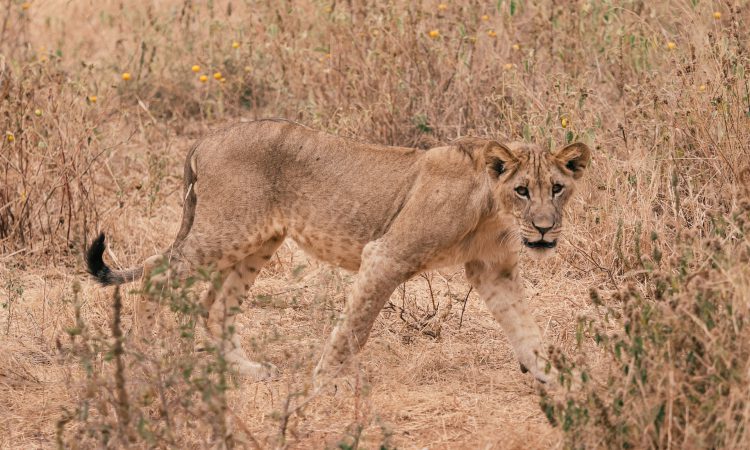
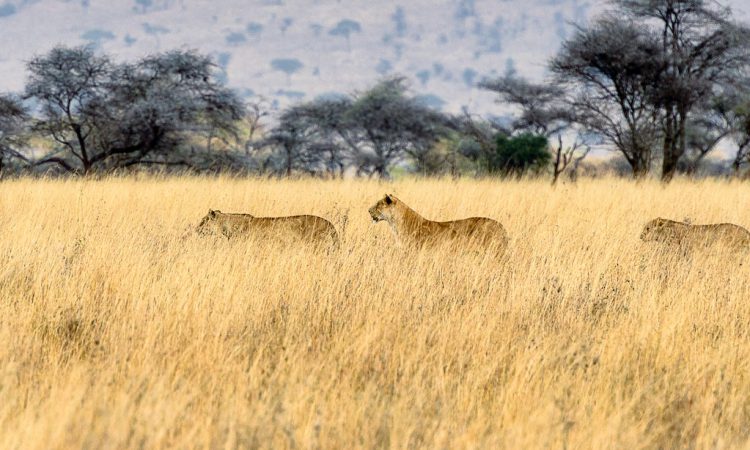
Watching tree climbing lions.
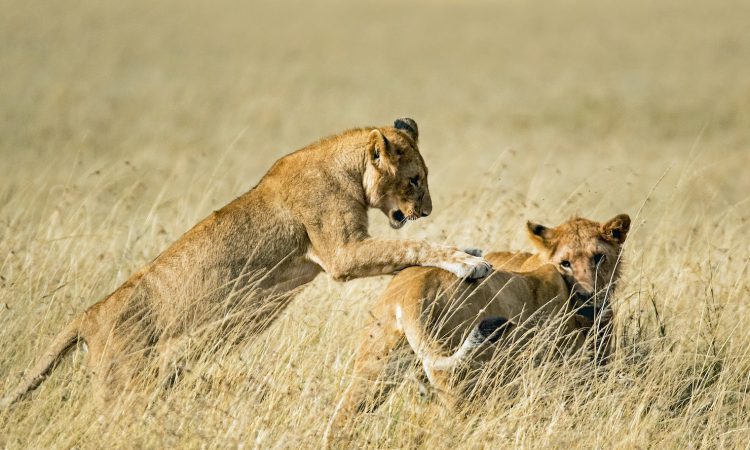
Records have it that this unique group of tree climbing lions is restricted to only two national parks in the world; Queen Elizabeth national park (Uganda) and Lake Manyara national park (Tanzania).
These unique cats attract a number of tourists from all corners of the world any time of the year; you can be part of them one day.
Exploring Lake Manyara.
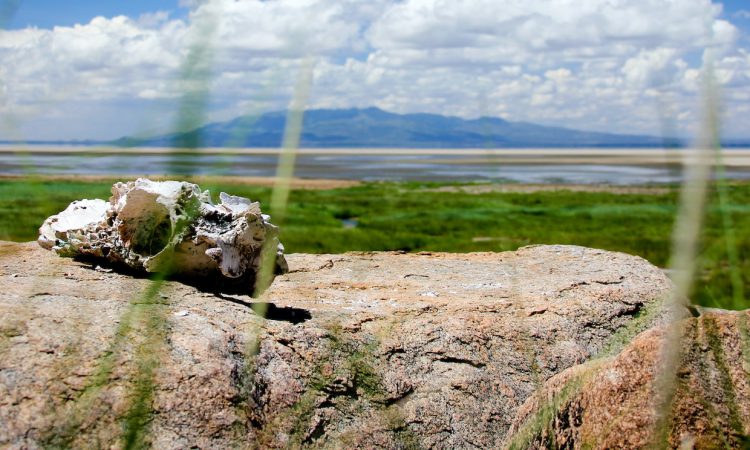
Dare not to miss paying a visit to this alkaline lake whose size reduces depending on seasons found within a long silvery bowl of salt deposits. The lake covers 2/3 of the park’s total surface area (220 square kilometers). Lake Manyara is always covered by pink flamingoes and other aquatic animals like hippopotamuses.
Lake Manyara’s lush vegetation.
The wide grass flood plains lie with in the vicinity of Lake Manyara together with the mixed acacia woodlands. The perennial ground water springs have continuously supported the growth of captivating ever green forests and woodlands on the western shores of the lake dominated by acacia and commiphora species.
These dominant trees (acacia tortilis) grow to 10 meters tall with a flat-topped canopy which creates beauty of its own.
We cannot fail to talk about the magnificent swamps that have grown in the areas where River Simba and its tributaries flow. This explains the continuous documentation of several aquatic species such as water lily and water lettuce. Cyprus species are also visible in these areas forming clumps in areas with flooding water.
Birding.
Lake Manyara is well known for inhabiting large numbers of flamingoes. It is recorded that the lake registered an estimated number of both non-breeding and greater flamingoes worth 1.9 million and 40,000 in 1991 respectively. Other birds are also visible at the lake, including the great white pelican with massive population of 200,000 individuals recorded in 1991.
Birds in this park are located in habitats that vary from one area to another for example flamingos and great pelicans are much closer to the lake compared to egrets, herons, spoonbills, that stay in other areas of the park like in the woodland areas and ever-green forests e.g. silvery-cheeked hornbills.
A total number of 78,320 birds were counted and recorded in 1994.
Resident mammals.
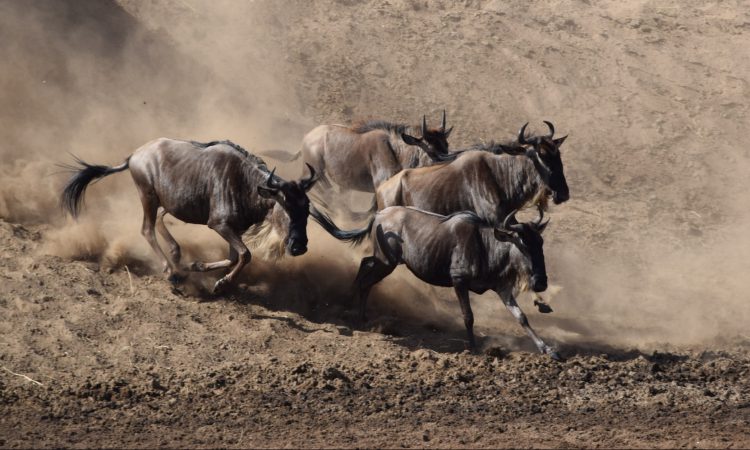
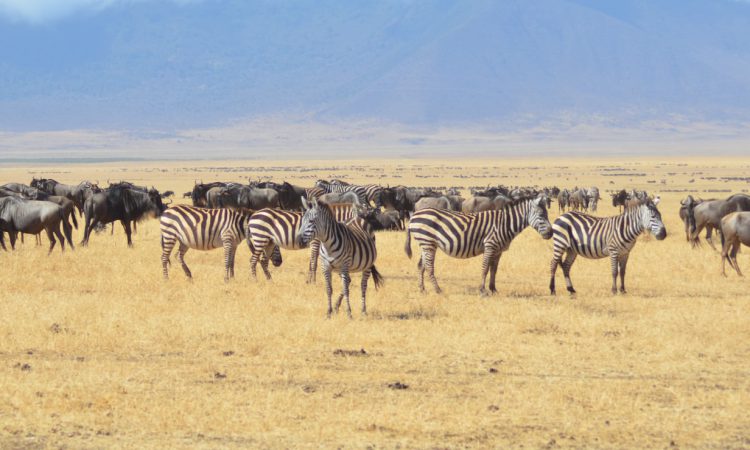
A good number of mammals are always on the move to and from the park. The migratory animals are common in areas of Tarangire national park. Some of these migratory animals include wildebeests, zebras and Thomson’s gazelles which come from Mto-wa-mbu Game reserve and enter the park from the northern wing.
A good population of wildebeests is usually seen grazing in the alkaline grasslands near the lake during dry seasons, whereas numbers reduce as wet seasons set in. Zebra, waterbuck, Thomson’s gazelle, Grant’s gazelle, impala, giraffe, bushbuck, hippopotamus, warthog, Cape buffalo and elephant are some of the park’s permanent herbivorous residents.
On the other hand, predators in Lake Manyara NP include lions, spotted hyenas, leopards, bat- eared foxes, black-backed jackals, African wild cats, genet species, honey badgers, African civets, serval cats and several mongoose species. In addition to the above are, cheetahs and African golden cats whose sight is occasional.
In 1980s, study declared Lake Manyara area as one of the top animal shelters in Africa much as the number of elephants declined by 75% (1985-1996) as a result of poaching. This was not only a problem of elephants but also the black rhinoceros that had nothing to represent them in the 1996 census; the same was the case with reedbuck that had been present only until 1984.
Canopy walk in Lake Manyara National park.
This is an opportunity for you to see the park while you are on top of it. Here you explore the forests to the maximum as you watch the parks’ majestic primates and numerous bird species. It is in this activity that you meet pastoralists around the area and a chance of interaction is free of charge.
More to this is a number of other outside park related activities like mountain bike tours, escarpment forest walks and traditional canoe safaris incase water levels are conducive.
ACCESSING L. MANYARA NATIONAL PARK.
Reaching the park is possible using either the southern or northern gates, however, most visitors prefer northern gate because it has a multitude of high end accommodation facilities.
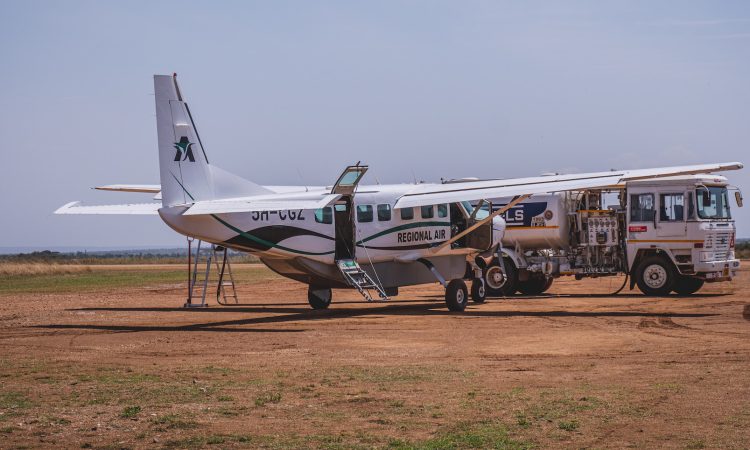
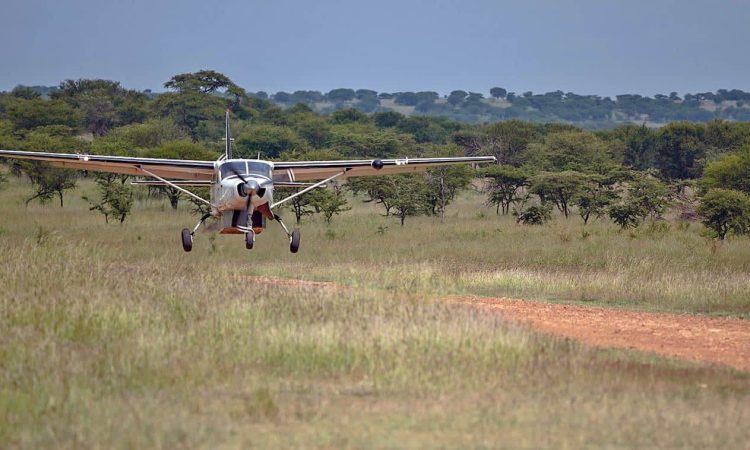
The park can be accessed both by air and road. A good number of people begin their journey from Arusha which takes them one and a half hours (126km).
Getting to Lake Manyara by road.
If you are using a car, it takes you only one and a half hours to drive from Arusha to the park using the newly tarred road. The other option common to holiday makers is coming from Bahati Manyara region’s capital along the northern safari circuit. You should keep in mind the fact that the routes to L. Manyara NP can still lead you to Ngorongoro crater and Serengeti national park. Considering the fact that Manyara Park is on the way to the more renowned Ngorongoro crater and the Serengeti National Park which are other parks on the northern circuit.
The other option in case you are not using a private vehicle is boarding a bus to Mto-wa-mbu village and then hire a special cub/taxi to the park.
Using air.
Fly to either Kilimanjaro international airport 46km away from Arusha or Julius Nyerere international airport in Dar es Salaam. Join the charter flights to Lake Manyara Airport connecting from the Serengeti or Arusha. From here, get a car to drive you to the park (a journey that takes about 30 minutes).
Note: Arrangements with domestic flights are made possible by domestic carriers whereas charter flights are booked by your tour operators as part of your safari package.
Appropriate time to visit the park.
Lake Manyara National Park can be visited anytime of the year however, the most appropriate time is during the dry season that is between July and October and January and February. This is a period when game tracks are dry and most importantly, most animals come out of their hiding and meet nearby the lake to search for water and fresh pasture. Birds tend to come near the lake during this season in large numbers.