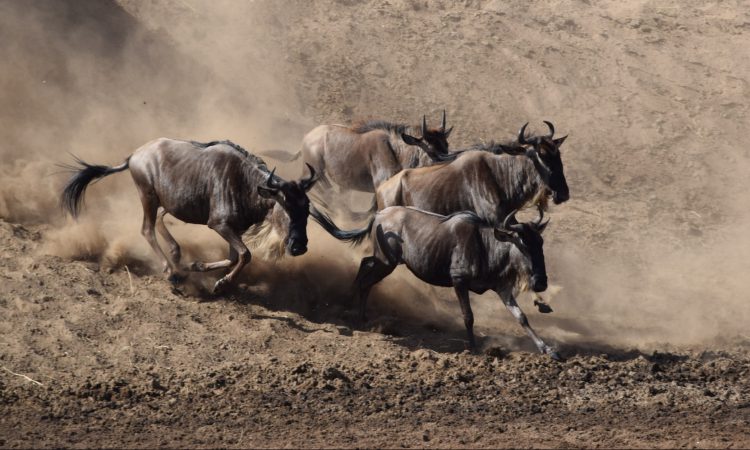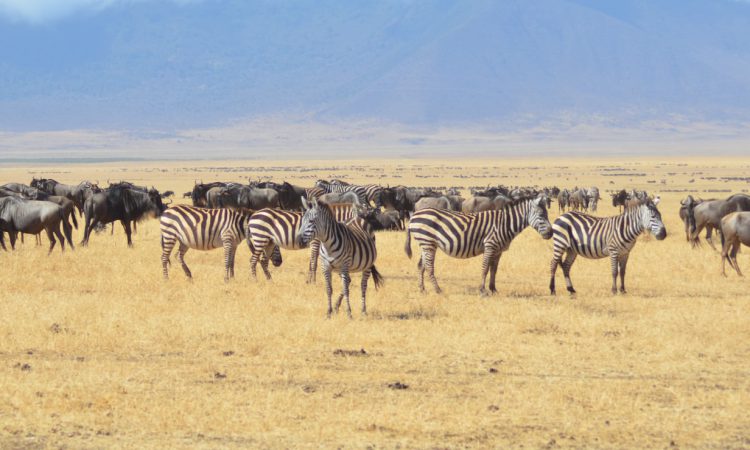
Tanzania is one of the most stunning African safari destinations with more than twenty National Parks. These National Parks form an essential part of Tanzanian safaris with opportunity of witnessing the millions of wildebeests, gazelles and zebras thunderously migrating across the sweeping Serengeti plains to Masai Mara through the unfenced Masai Mara-Serengeti ecosystem, a chance to see the big five animals, antelopes, plethora of bird species and many other attractions that you will not see in other places.
Therefore, provided in here is detailed information about Tanzania National Parks, their sizes and what makes them stand out;
Serengeti National Park
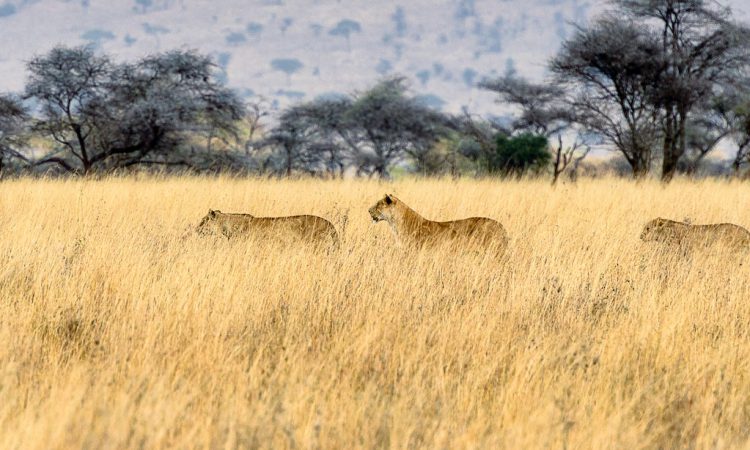
Serengeti is the most popular National Park in Tanzania and undoubtedly one of the best safari destinations on the Continent. It forms part of the northern-circuit Parks and sprawls for 14,763 square kilometers (5,700 square miles). Serengeti is popular for hosting the genesis of Great migration involving millions of wildebeests, gazelles and zebras to Kenya’s Masai Mara National Reserve.
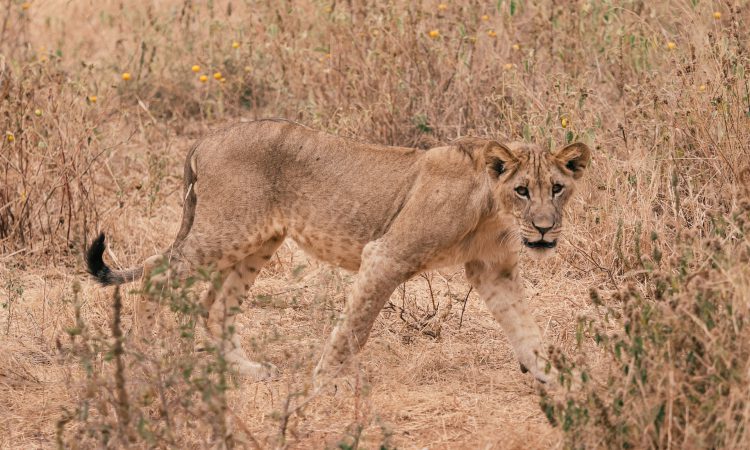
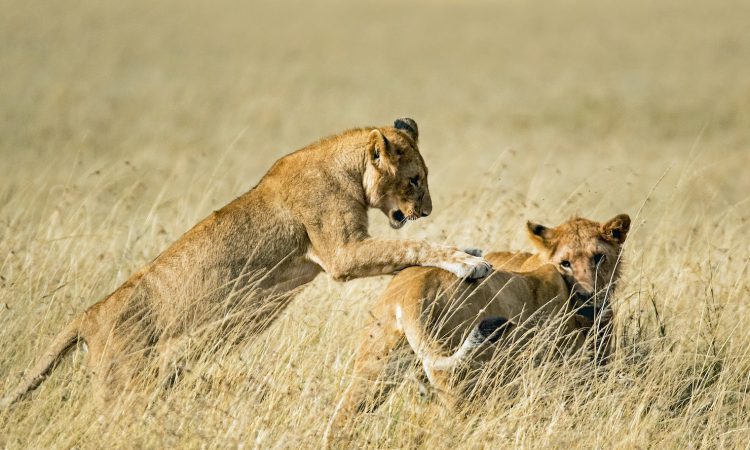
Serengeti was gazetted as a National Park in 1951, became a UNESCO World Heritage Site in 1981 and shelters the big five animals (African leopards, Black Rhinoceros, African bush elephants, lions and Cape buffaloes), Masai giraffes, African golden wolves, Aardwolves, patas monkeys, cheetahs, side-striped and black-backed jackals, olive baboons, Caracal, vervet monkeys, genets, spotted hyenas, African wildcats, striped hyenas, Honey badgers, East African wild dogs and many others. There are also more than 500 bird species in this Park, the common ones being secretary birds, crowned cranes, martial eagles and sacred ibis among others.
Arusha National Park
Set within the north-eastern side of Tanzania, Arusha National Park is another popular tourist destination in the country. It was gazetted in 1960 and covers an area of 137 square kilometers that also includes Mount Meru towering at an altitude of 4566 meters above sea level (Tanzania’s second highest peak after Mount Kilimanjaro).
Arusha National Park might be small but should not be overlooked since it rewards visitors with unique vies of African savannah/forest/woodland animals such as elephants, buffaloes, blue monkeys, Masai giraffes, bushbucks, zebras, black and white colobus monkeys, common warthogs as well as outstanding bird species that include the bar-tailed trogon, flamingos, starlings, Narina trogon and many others.
Lake Manyara National Park
Lake Manyara National Park is another charming destination within the country’s Northern circuit and is set between the Manyara and Arusha regions. This park extends for only 325 square kilometers and about a third of this is a Lake Surface (Lake Manyara).
Animals such as zebras, Cape buffaloes, wildebeests, Masai giraffes, Thomson’s and Grant’s gazelles, black rhinos, serval cats, zebras, Olive baboons, bushbucks, Defassa waterbucks, elephants, African wild cats, Hippos, common warthogs, Honey badgers, spotted hyenas, genets, the bat-eared foxes, mongoose, cheetahs, lions, the black-backed jackals, African golden cats and over 350 species of birds including greater flamingos and Great white pelicans call the Arusha National Park home. There are also over 180 butterfly species and Tanzanian endemic fish species in this Park.
Gombe Stream National Park
If watching chimpanzees is part of your Tanzanian safari aspiration then a trip to Gombe Stream National Park is a perfect idea. This extraordinary National Park is found within the western Kigoma region and covers an area of only 35 square kilometers, making it one of the smallest parks in Tanzania.
This park is popular for being the location where Jane Goodall conducted pioneer research on Chimpanzee behavior and is characterized by varying vegetation-savannah grassland, woodland and lush Tropical rainforest. Besides the chimpanzees, Gombe Stream National Park is home to other fascinating primate species that include the vervet monkeys, red colobus monkeys, olive baboons, blue monkeys and red-tailed monkeys. There are also other mammal species like leopards, bush pigs and Hippos as well as more than 200 bird species.
Tarangire National Park
Named after River Tarangire that drains through the Park, this Protected Area is found within the Manyara region and extends for over 2850 square kilometers. This Park was gazetted in 1970 and its landscape is comprised of River valley, varying vegetation (acacia woodland, baobab trees and seasonally flooded grassland), huge ridges and swamps.
Tarangire National Park is popular for its high concentration of elephants as well as baobab trees and visitors can expect to see Banded mongoose, zebras, lions, Cape buffaloes, African wild dogs, Grant’s gazelles, vervet monkeys, Kirk’s Dik-dik, common elands, cheetahs, elephants, Masai giraffes, impalas, Defassa waterbucks, Olive baboons, Honey badgers, leopards, Caracal and wildebeests. With over 550 species of birds, it is undeniable that Tarangire National Park is an excellent birding destination.
Nyerere National Park
Nyerere National Park doesn’t receive the recognition it deserves yet it is the largest Park in Tanzania, extending for over 30,893 square kilometers (twice the size of Costa Rica or Belgium). This Park used to be the northern part of popular Selous Game Reserve and was recently gazetted in 2019. Because it is not as popular as other Parks in the northern circuit such as Serengeti, most of its landscape maintains its rawness and natural state with minimal human disturbances.
This park is home to River Rufiji, home to high Hippo concentrations and basks of crocodiles. Other bewildering wildlife species in Nyerere National Park are spotted and striped hyenas, zebras, lions, African wolves, Masai giraffes, black rhinoceros, African wild dogs, impalas and elephants.
Ruaha National Park
Tanzania is known for its gigantic National Parks and Ruaha National Park is another one. This Park together with the surrounding Reserves (Usangu Game Reserve) and nearby wetlands covers a combined area of 20,226 square kilometers. The Park was gazetted in 1964 and derived its name from the mighty Ruaha Rivers that flows along its south-eastern boundary. More than 570 species of birds call Ruaha National Park home and some of these include the flamingos, Dickinson’s kestrel, Namaqua doves, Golden-breasted bunting, red-billed ox-pecker, red-necked spurfowl, the violet-crested Turaco, crested barbets and Pale-billed hornbills among others.
Besides, animals such as Hippos, Grant’s gazelles, spotted hyenas, elephants, Roan antelopes, lions, East African cheetahs, sable antelopes, Masai giraffes, lesser and greater kudu, African leopards, buffaloes, African wild dogs and many others are found in the borders of Ruaha National Park.
Kilimanjaro National Park
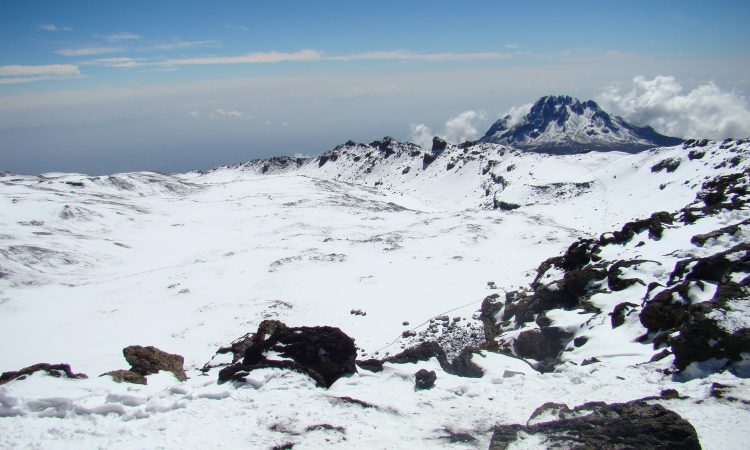
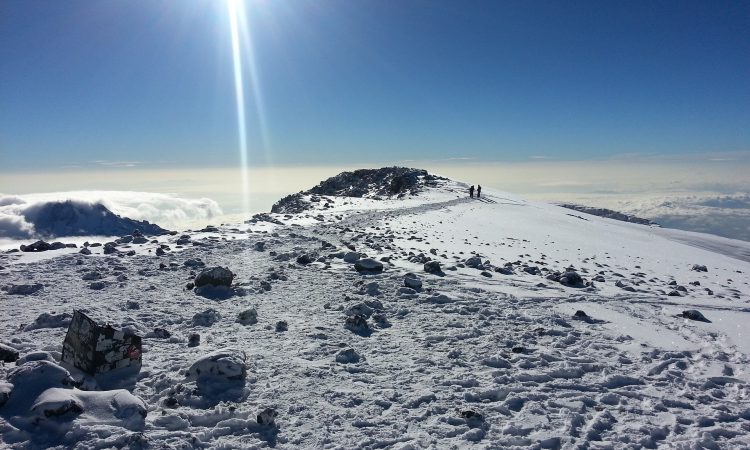
Just 300 kilometers south of the Equator is the popular Kilimanjaro National Park, home to the snow-capped Mount Kilimanjaro (extending for 5895 meters above sea level). The Park covers an area of 1688 square kilometers and protects the Mountain with its surrounding montane forest zone. It was first established as a Game Reserve during the 20th Century, then Forest Reserve in 1921 and finally into a National Park in 1973.
It became a UNESCO World Heritage Site in 1987 and shelters a wide range of animals that include bush babies, elephants, bushbucks, black and white colobus monkeys, Cape buffaloes, leopards, red duikers, Tree hyraxes, blue monkeys, grey duikers and well as numerous bird species.
Katavi National Park
Katavi National Park is located within western Tanzania, in the Katavi region and covers an area of 4471 square kilometers (447,100 hectares). This Park was gazetted in 1974 but is one of the less-explored Tanzania National Parks. Even with its remoteness and greatly untouched wilderness, the few visitors that make trips to Katavi National Park get a chance to encounter African wild dogs, wildebeests, Hippos, spotted hyenas, Cape buffaloes, zebras, leopards, cheetahs, Masai giraffes, crocodiles and many others. Sunset views in this Park are magical and activities include boat safaris, guided nature walks, game drives and birding tours.
Mahale Mountains National Park
Nestled along the eastern shores of Lake Tanganyika in western Tanzania is the popular Mahale Mountains National Park. This Protected Area extends for about 1650 square kilometers and protects the Mahale Mountains range (from which the Park was named).
It is one of the few places in Tanzania where the endangered eastern chimpanzees are protected (the other being Gombe Stream National Pak) in addition to sheltering lions, African wild dogs, forest elephants, Roan antelopes, forest buffaloes, giraffes, black and white colobus monkeys, mongoose, zebras and many others roaming within the open savannah and forests of Mahale Mountains range.
Udzungwa Mountains National Park
Udzungwa Mountains protects an area of 1990 square kilometers comprising of Miombo woodland, verdant Tropical rainforest, savannah grassland and mountain forest. This National Park is found in the central part of Tanzania and offers shelter to 6 species of primate that include the Sanje crested mangabeys, the Iringa red colobus monkeys, the Kipunji monkeys in addition to several species of birds.
Saanane Island National Park
Saanane Island National Park is found in a Lake Victoria Island and covers an area of only 2.18 square kilometers. This Park was gazetted in 2013 and offers shelter to different mammal species that include lions, the African wild cats, clawless otters, Porcupines, Dik-dik, spotted hyenas, De Brazza’s monkeys, zebras, Rock hyraxes, bushbucks, Patas monkeys, vervet monkeys as well as reptiles especially monitor lizards, Agama lizards, African rock pythons and crocodiles, not forgetting over 40 species of birds that include the African fish eagles, black kites and pelicans.
Mkomazi National Park
Nestled within the northeastern border of Tanzania is Mkomazi National Park, a magnificent Protected Area first established as a Game Reserve in 1951 then National Park in 2006. This beautiful National Park extends for over 3234 square kilometers comprising of Acacia, woodland, River and wetland vegetation. The common wildlife species in Mkomazi National Park are Grant’s zebras, black rhinos, spotted hyenas, African lions, African bush elephants, common elands, African wild dogs, Jackson’s hartebeests and many others.
Mikumi National Park
Mikumi National Park within Eastern Tanzania is another wonderful safari destination in the country, extending for 3230 square kilometers. It was gazetted in 1964 to protect the spectacular landscape of the area, dotted with Acacia, tamarinds, baobab and palms. Some of the outstanding wildlife species in this Park are Hippos, tree climbing lions, Somali giraffes, elephants, Masai giraffes, greater and lesser kudu, wildebeests, impalas, common elands, Olive baboons, Cape buffaloes and over 400 species of birds.
Other rare yet amazing National Parks of Tanzania are Rumanyika-Karagwe National Park, Kigosi National Park, Ibanda-Kyerwa National Park, Burigi-Chato National Park, Kitulo National Park, Rubondo Island National Park and Ugalla River National Park.
BEST TIME TO VISIT TANZANIA NATIONAL PARKS
Tanzania National Parks are open all year round but most park activities – walking safaris, game drives, mountain/climbing and cultural tours are conducted during the dry season-June to October because this is the time when wildlife views are at their very best.
Visitors interested in witnessing the great migration (in Serengeti National Park) can also visit during the dry months of June and July when calving begins. These months also coincide with River crossings, the most spectacular part of the Great migration.